Claim Your Free Estimate Today
Table of Contents
- What Makes a Licensed Commercial Plumber Different
- How to Verify an Arizona CR-37 Plumbing License
- Services a Commercial Plumbing Company Should Provide
- Getting an Accurate Commercial Plumbing Estimate
- When to Call an Emergency Commercial Plumber
- The Role of Commercial Plumbing Inspection in Maintenance
- Why Preventive Maintenance Saves Money Long-Term
- Frequently Asked Questions
Last Updated: October 10, 2026
What Makes a Licensed Commercial Plumber Different
A licensed commercial plumber is a professional who has completed formal training, passed state examinations, and earned credentials to work on plumbing systems in business properties. The distinction matters because commercial plumbing operates under different codes, handles higher-volume water demands, and requires specialized knowledge that residential experience alone doesn’t provide.
Commercial systems are fundamentally different. A restaurant’s grease trap, a retail building’s backflow prevention device, and a multi-tenant office’s main line all demand specific expertise. Commercial properties face unique challenges: code compliance, business continuity, and the cost of downtime.
When you hire a licensed commercial plumber in Tucson, you’re getting someone who knows Arizona’s C-37 plumbing classification standards and can navigate permit requirements. This isn’t just about fixing a leak. It’s about protecting your business from liability, ensuring regulatory compliance, and preventing costly shutdowns.
How to Verify an Arizona CR-37 Plumbing License
Verifying a plumber’s credentials takes five minutes and protects your business. Arizona’s licensing system is public and searchable through the Arizona Registrar of Contractors. Look up the contractor’s license number on their website or ask for it upfront. A legitimate licensed commercial plumber will provide this without hesitation.
The C-37 classification is specific to plumbing work. Make sure the license shows this designation, not a different classification like C-16 (general contractor). Cross-reference the license holder’s name with the business name on their truck or paperwork. Mismatches are a red flag.
Ask about bonding and insurance as well. A licensed commercial plumber should carry liability insurance and a performance bond. Request proof of current coverage. This protects you if something goes wrong during the job. Many businesses skip this step and regret it later when they’re left holding the bill for incomplete or faulty work.
Services a Commercial Plumbing Company Should Provide
A full-service commercial plumbing company handles more than emergency repairs. The scope should include drain clearing, sewer camera inspections, leak detection, water heater installation and repair, backflow prevention testing, and preventive maintenance programs.
However, offering a service and executing it well are different things. When evaluating a licensed commercial plumber, ask about their specific experience with your building type. A plumber experienced in restaurant grease trap maintenance may have limited expertise in medical office backflow systems or multi-tenant office complexes. Request references from similar properties, not just any commercial job, but ones matching your building’s age, size, and plumbing complexity.
Grease trap maintenance is essential for restaurants and food service businesses. A qualified licensed commercial plumber understands grease trap sizing, pumping schedules, and disposal regulations. Neglecting this creates health code violations and backups that shut down your kitchen. Ask whether the contractor has relationships with local waste disposal vendors and understands local health department requirements.
Staffing matters too. Does the company employ plumbers full-time, or do they subcontract work? Ask how many licensed plumbers are on staff and what their average tenure is.
Look for companies that offer sewer line repair and replacement options. Traditional excavation isn’t always necessary. Trenchless technology like pipe bursting or cured-in-place lining can restore your sewer without tearing up parking lots or landscaping. This saves time, money, and disruption to your business operations. However, not all contractors have the equipment or training for trenchless methods, ask directly whether they perform this work in-house or subcontract it.
Insurance and bonding extend beyond liability. Ask whether the contractor carries workers’ compensation insurance and whether they maintain a performance bond. For larger projects, a performance bond protects you if the contractor abandons the job or fails to complete it. Request certificates of insurance naming your property as an additional insured, and verify coverage limits match your project scope.
Getting an Accurate Commercial Plumbing Estimate
A professional estimate should be detailed and transparent. The licensed commercial plumber should inspect your system, identify the problem, and explain what needs to be done before quoting a price. Vague estimates are worthless.
Understand what drives commercial plumbing costs so you can evaluate whether an estimate is reasonable. Several factors significantly affect pricing:
Building type and system complexity. A single-story retail space with straightforward plumbing costs far less to diagnose and repair than a multi-story office building with multiple risers, zones, and interconnected systems. Older buildings with cast iron or galvanized pipe require different repair approaches than modern copper or PVC systems, affecting labor time and material costs.
Access and location of the problem. A clogged drain in a basement is cheaper to clear than one in a wall cavity or underground. If the plumber must cut into drywall, remove fixtures, or excavate to reach the problem, labor costs rise. Ask the contractor to explain what access work is required and whether it’s included in the estimate.
Urgency and timing. Emergency service outside business hours, on weekends, or on holidays typically carries a premium. A 2 a.m. sewer backup costs more than the same repair scheduled during regular business hours. If the work is urgent, ask whether the contractor offers a discount for scheduling during normal hours if the situation allows.
Materials and equipment. The type of repair determines material costs. A simple drain cleaning costs less than replacing a section of sewer line. Trenchless sewer repair costs more upfront than traditional excavation but may save money by avoiding landscaping restoration. Specialty materials like backflow prevention devices or grease trap components vary in price and quality.
Claim Your Free Estimate Today →
Permits and inspections. Many commercial plumbing repairs require permits and municipal inspections. Ask whether the estimate includes permit fees and whether the contractor handles permit applications or passes that responsibility to you. Some jurisdictions charge $100-$500+ for permits depending on project scope. Clarify who pays and who coordinates with the building department.
Scope creep and contingencies. A written estimate should specify exactly what work is included. Does it cover only the main repair, or does it include related work like cleaning nearby lines or replacing worn fittings? Ask whether the contractor includes a contingency for unexpected findings (like discovering additional damage once work begins) and how overages are handled. A good contractor will explain the process for approving additional work before proceeding.
Ask whether the estimate includes labor, materials, permits, and any additional fees. Some companies charge for the estimate itself; others offer free consultations. Compare multiple estimates, but don’t choose based on price alone. The cheapest bid often means cutting corners or missing hidden problems.
Request the estimate in writing. A written estimate protects both you and the plumber. It documents what work will be performed, the timeline, and the cost. This prevents misunderstandings and scope creep. A professional estimate should also include the contractor’s license number, insurance information, and a timeline for completion.
When to Call an Emergency Commercial Plumber
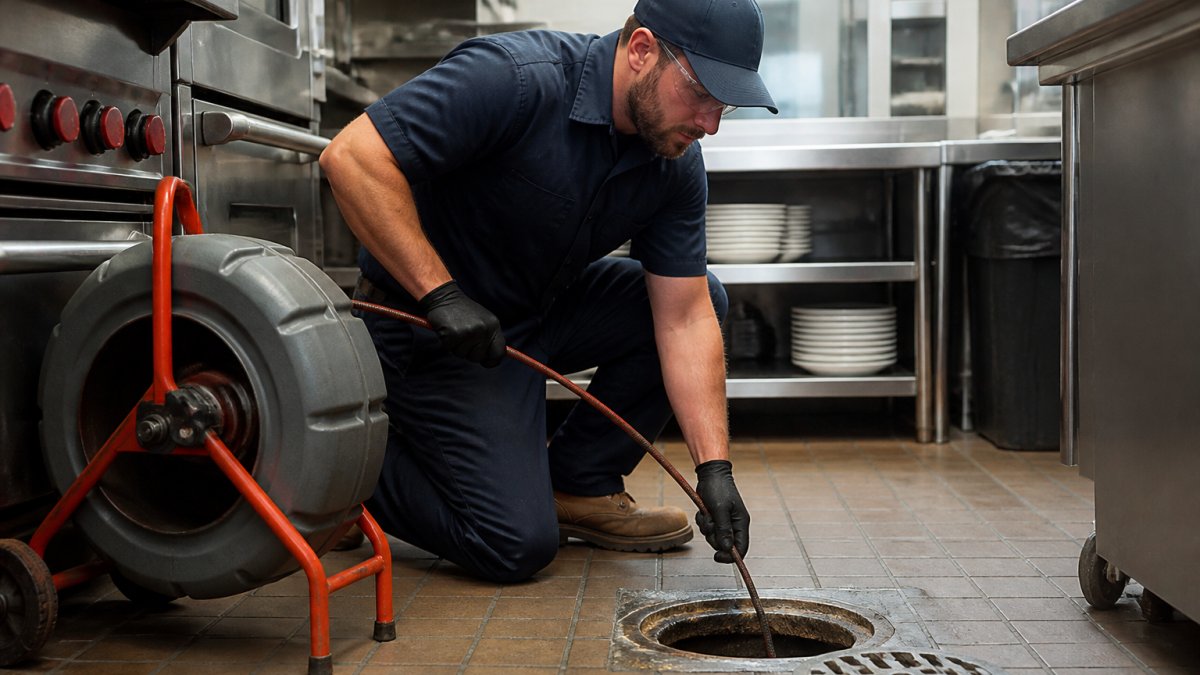
Sewer backups, burst pipes, and failed water heaters demand immediate attention. These aren’t problems that can wait until Monday morning. A business that loses water service or deals with sewage backup faces health code violations, customer complaints, and potential closure.
Commercial emergencies cost money the longer they persist. A burst water line flooding your retail space damages inventory and creates liability. A backed-up sewer in a restaurant forces closure and regulatory intervention. These situations require a licensed commercial plumber who answers calls 24/7 and dispatches crews quickly.
Acclaimed Drain And Plumbing Solutions, LLC provides emergency plumbing service with live dispatchers and fast response times. When your commercial property faces a crisis, you need someone who shows up fast and fixes the problem right.
The Role of Commercial Plumbing Inspection in Maintenance
Regular inspections catch problems before they become emergencies. A licensed commercial plumber uses sewer cameras to see inside your lines, identifying root intrusion, grease buildup, cracks, and corrosion. This diagnostic approach beats guessing.
Inspections are especially valuable for older commercial properties. Buildings constructed in the 1980s or earlier often have aging pipes that fail without warning. An inspection reveals the condition of your system and helps you plan repairs before a catastrophic failure occurs.
Document your inspections. Keep records of what was found, what was repaired, and when maintenance was performed. This documentation supports insurance claims and demonstrates due diligence to regulators. It also helps future plumbers understand your system’s history.
Why Preventive Maintenance Saves Money Long-Term
Preventive maintenance is cheaper than emergency repairs. A maintenance program catches small problems before they escalate. Drain cleaning prevents backups. Pipe inspection identifies corrosion before rupture. Water heater servicing extends equipment life.
Preventive maintenance also minimizes downtime and keeps your business operating smoothly.
The alternative is reactive maintenance: waiting for failure, then paying premium rates for emergency service and dealing with business interruption. Over time, preventive maintenance costs far less and protects your property value.
| Maintenance Approach | Frequency | Typical Outcome | Best For |
|---|---|---|---|
| Reactive (emergency only) | As needed | High costs, frequent downtime | Not recommended |
| Preventive (scheduled service) | Monthly or quarterly | Lower costs, minimal disruption | Most commercial properties |
| Inspection-based (targeted repairs) | Annual inspection | Planned repairs, extended equipment life | Older buildings, high-risk systems |
Frequently Asked Questions
How do I verify a commercial plumber’s Arizona CR-37 license?
Contact the Arizona Registrar of Contractors (ROC) online or by phone to confirm the plumber holds a valid CR-37 classification, which is required for commercial plumbing work in Arizona. Request the license number from the plumber and verify the business name, expiration date, and any disciplinary history. A licensed commercial plumber should provide this information without hesitation and may display their license in their office or vehicle.
What should a commercial plumbing estimate include?
A comprehensive commercial plumbing estimate should itemize labor, materials, equipment rental (if applicable), and any specialized services like hydro jetting or camera inspection. It should specify the scope of work, timeline, and whether the price is flat-rate or hourly. The estimate should also note any permits required, code compliance considerations, and what happens if unforeseen issues are discovered during the job. A transparent estimate allows you to understand costs upfront and make an informed decision.
When should a business call an emergency plumber?
Call an emergency commercial plumber immediately for sewer backups, burst pipes, major leaks affecting operations, failed water heaters, or gas line issues. Any situation that disrupts business operations, poses a safety risk, or causes property damage warrants urgent response. Restaurants and retail businesses cannot afford extended downtime, and delaying service on sewage or water line problems can worsen damage and increase costs. A licensed commercial plumber with 24/7 availability ensures your business gets help when you need it most.
When your commercial property needs a licensed commercial plumber in Tucson, choose a company with verified credentials, transparent pricing, and a commitment to quality workmanship. Acclaimed Drain And Plumbing Solutions, LLC delivers professional service backed by proper licensing, emergency availability, and comprehensive diagnostics. Get your free estimate today and protect your business from costly plumbing failures.